Publications
publications by categories in reversed chronological order. generated by jekyll-scholar.
-
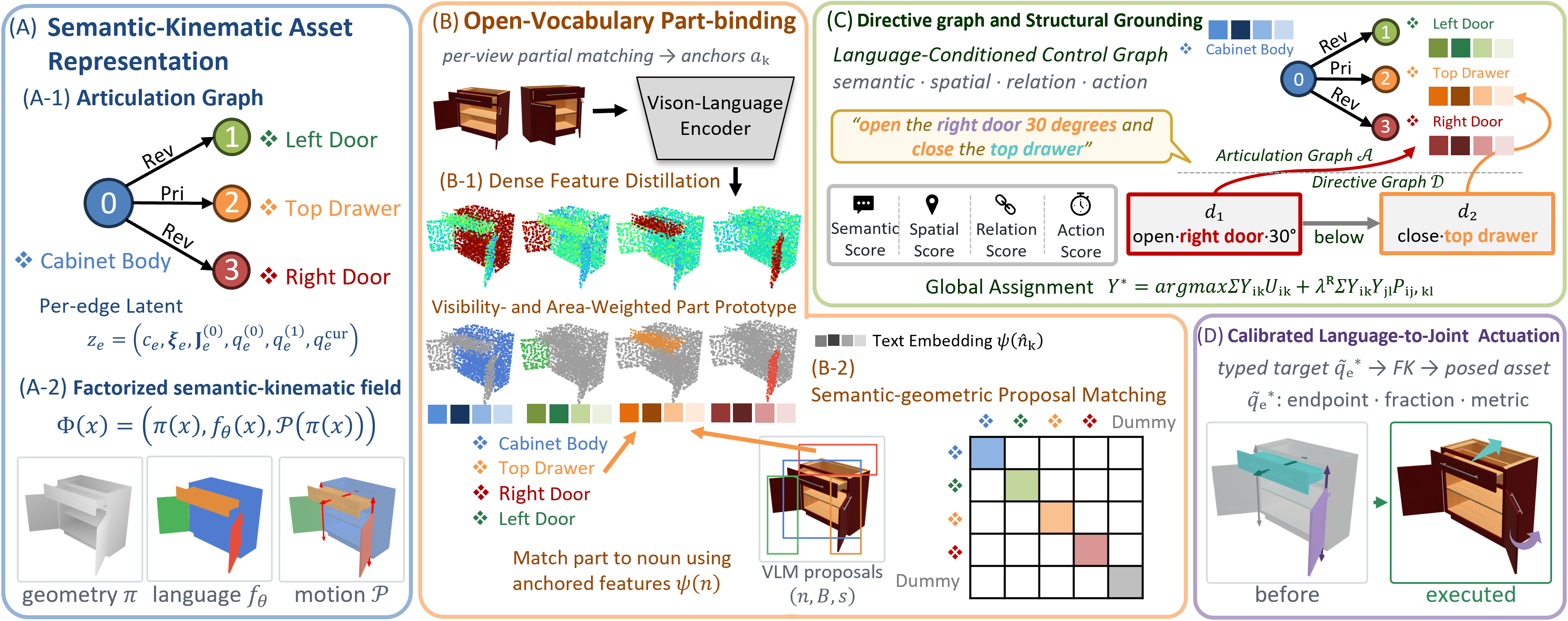 arXiv, 2026A framework that enables open-vocabulary language control for reconstructed articulated objects by binding semantic language features to a 3D semantic-kinematic graph.
 -
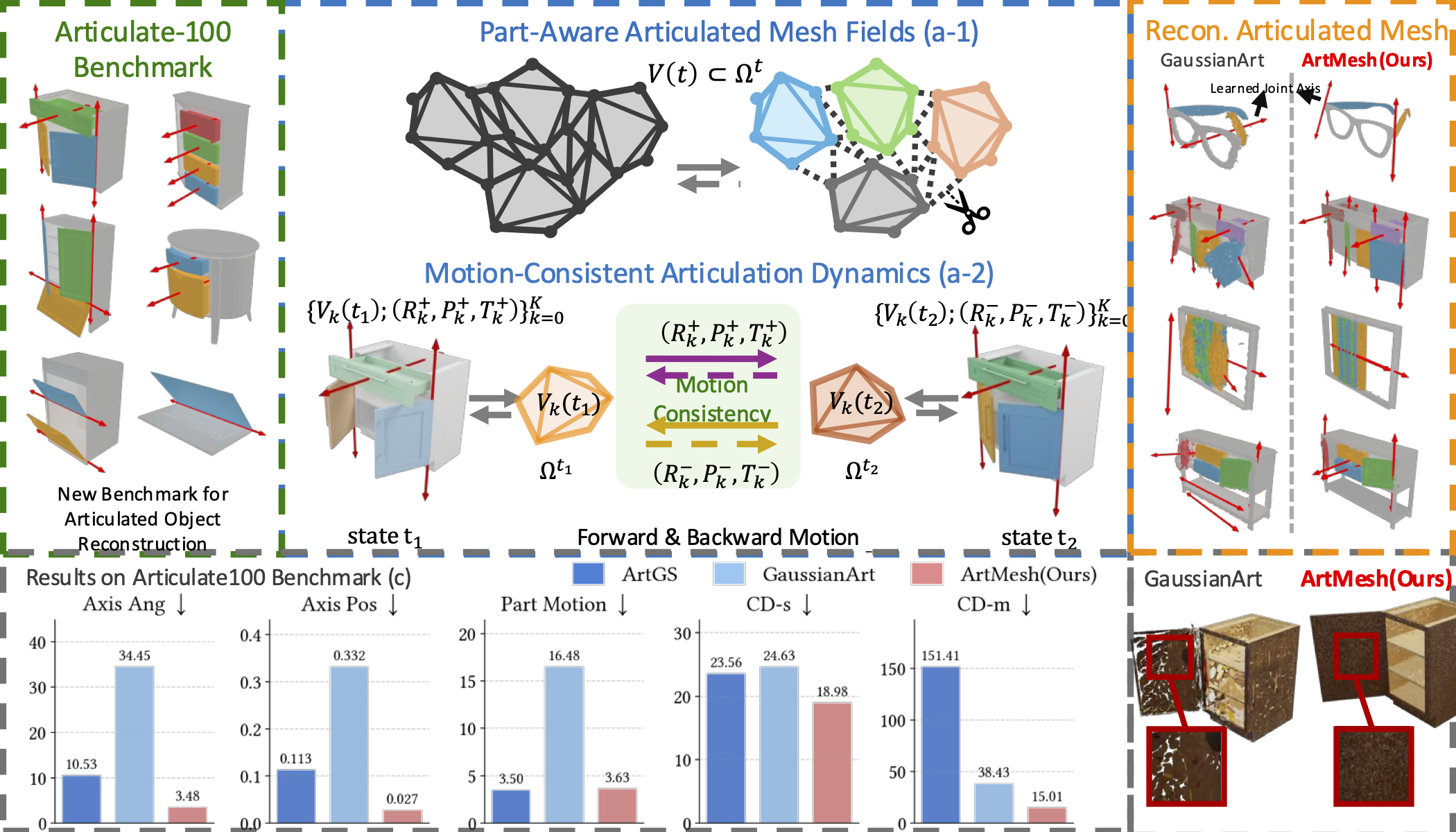 arXiv, 2026A framework that improves articulated 3D object reconstruction by using a mesh-based rendering backbone instead of point-based Gaussian Splatting.
 -
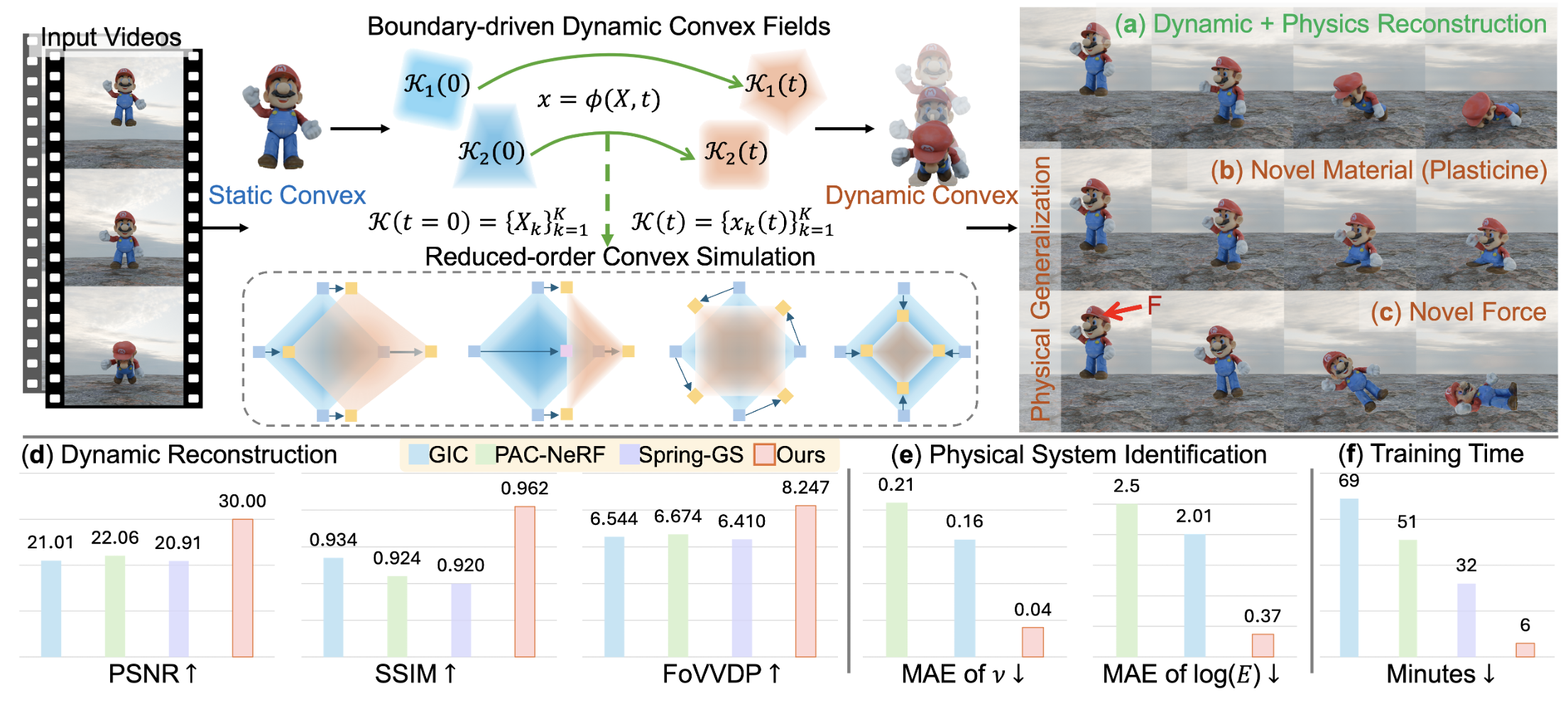 In European Conference on Computer Vision, 2026 (27.5% acceptance rate)A physics-informed framework that unifies visual rendering and physical simulation by representing deformable radiance fields as boundary-driven 3D dynamic convex primitives governed by reduced-order continuum mechanics, enabling the high-fidelity reconstruction of appearance, geometry, and physical properties.
 -
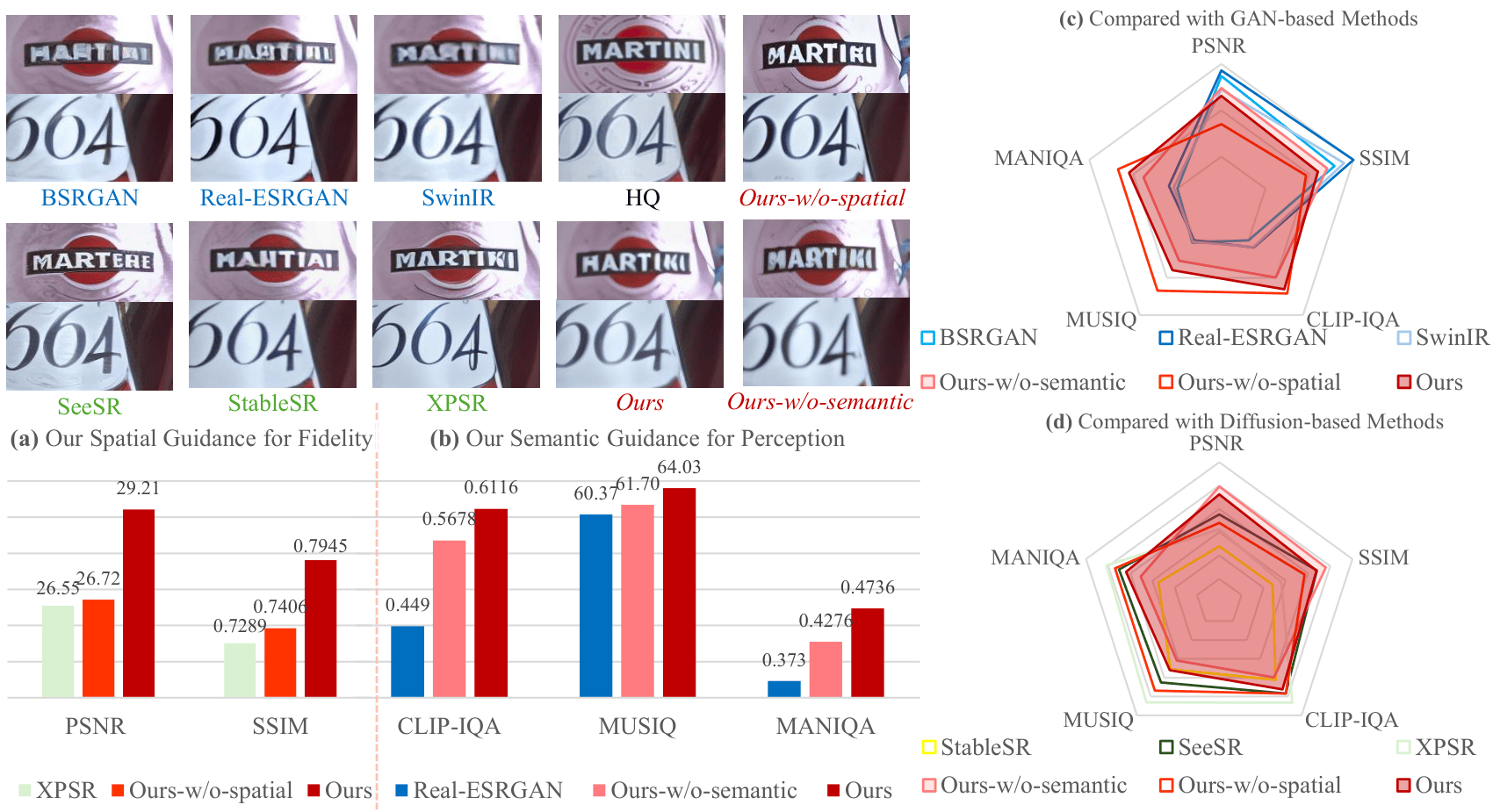 arXiv, 2026A spatial-semantic guided diffusion framework that integrates spatial-grounded textual guidance and semantic-enhanced visual guidance to achieve a superior balance in the perception-distortion trade-off, producing super-resolution results that are both perceptually realistic and structurally faithful.
 -
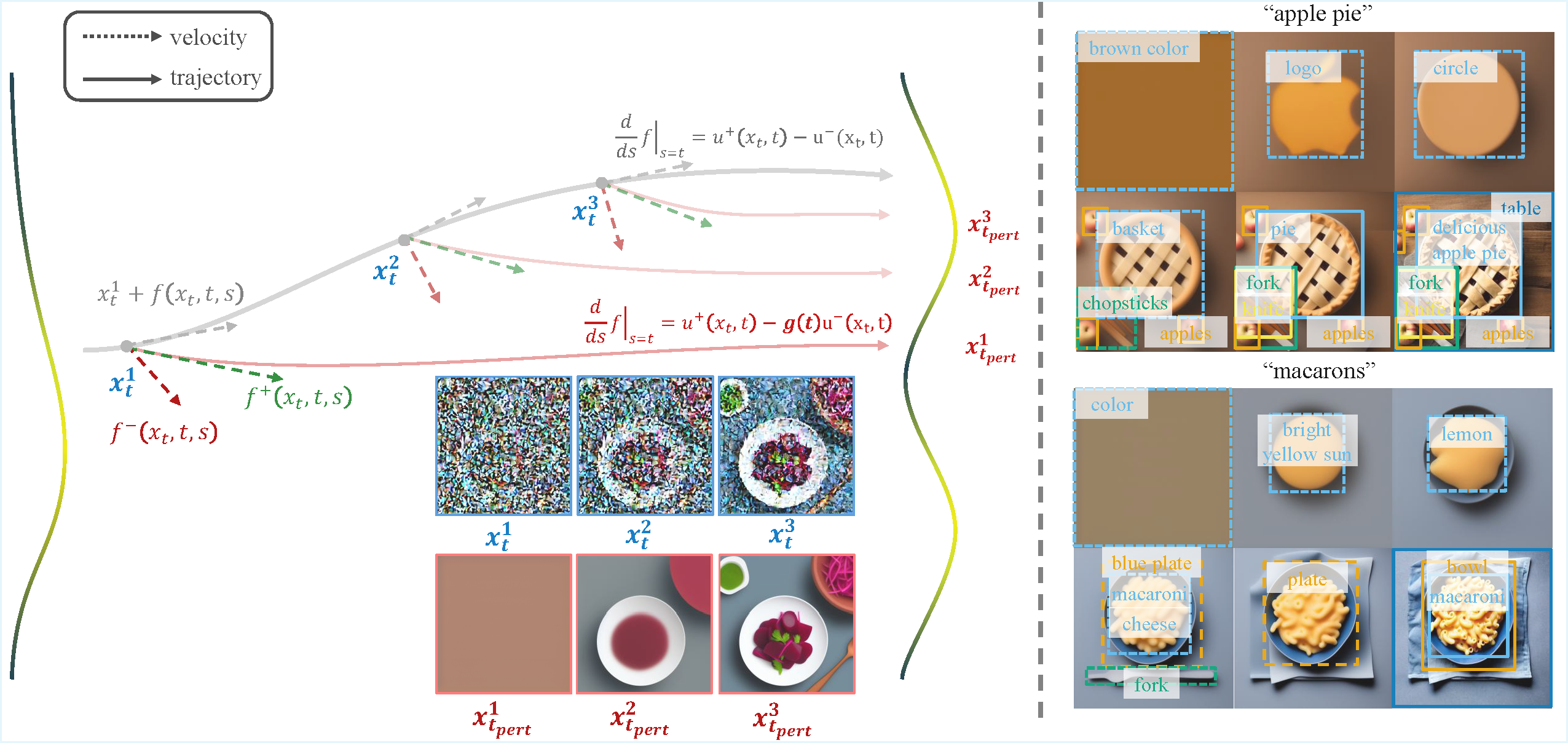
-
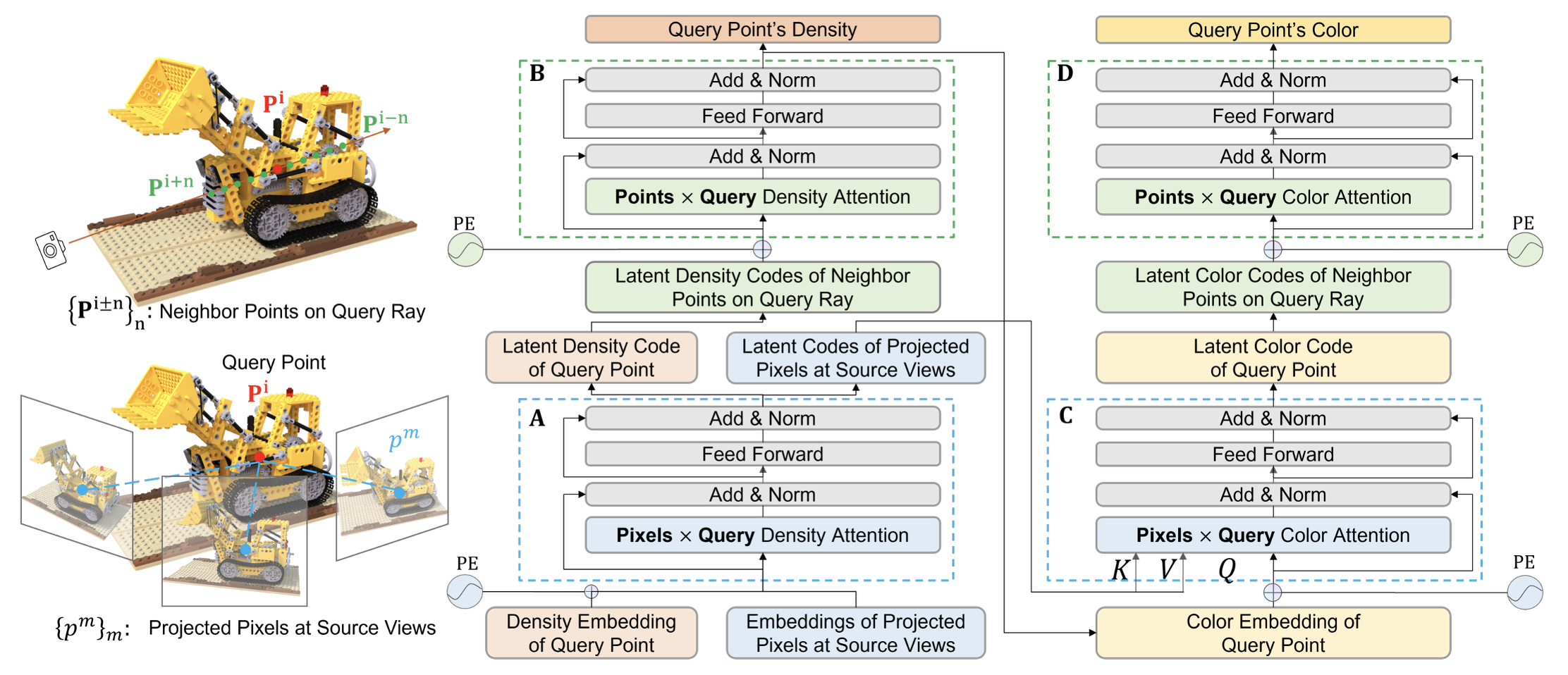 In ACM International Conference on Multimedia, Melbourne VIC, Australia, 2024 (26% acceptance rate)A unified, end-to-end Transformer-based framework for generalizable 3D scene representation and rendering that improves model interpretability and performance.
 -
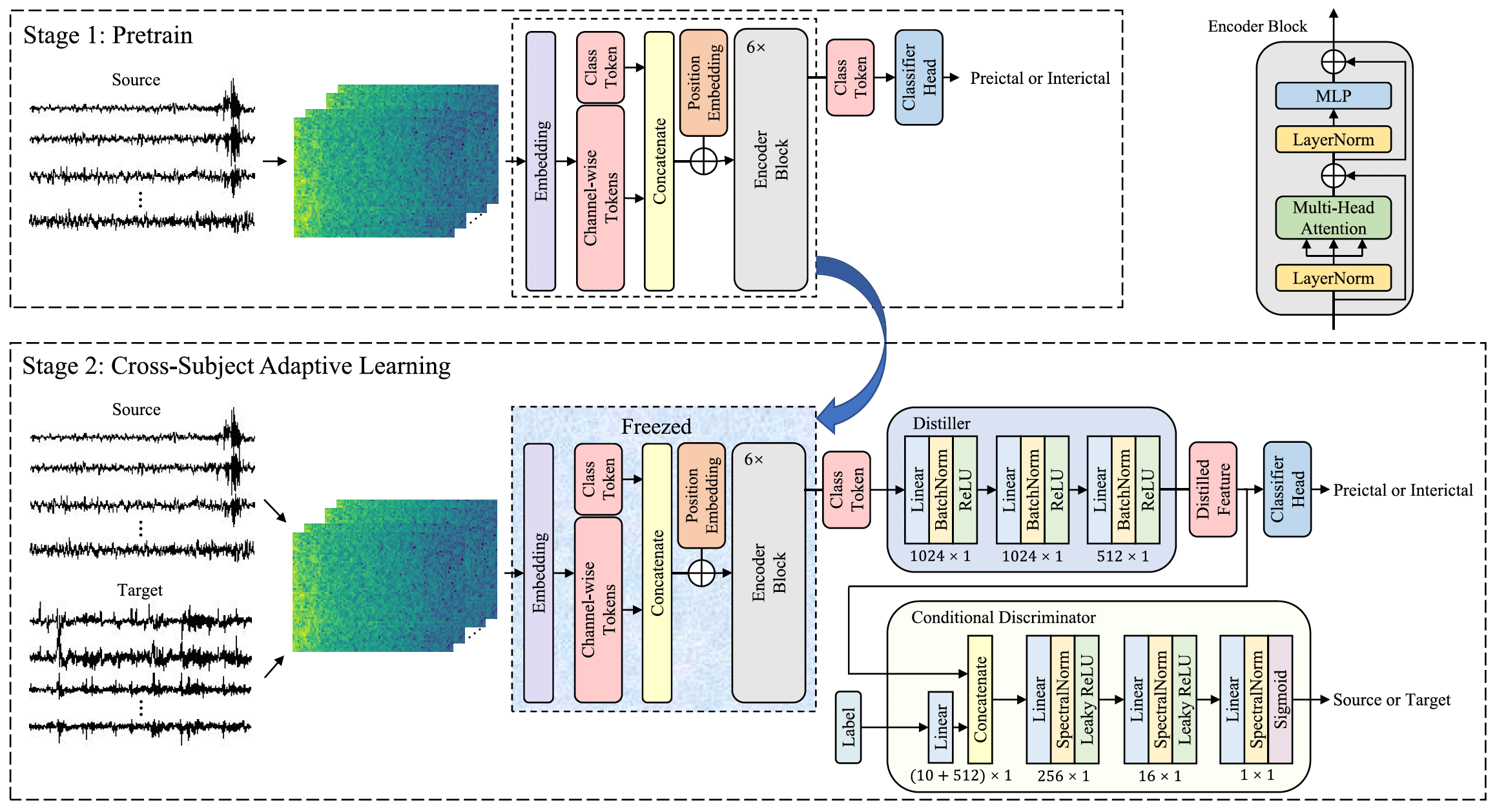 IEEE Transactions on Cognitive and Developmental Systems, 2023 (impact factor: 4.7)
 -
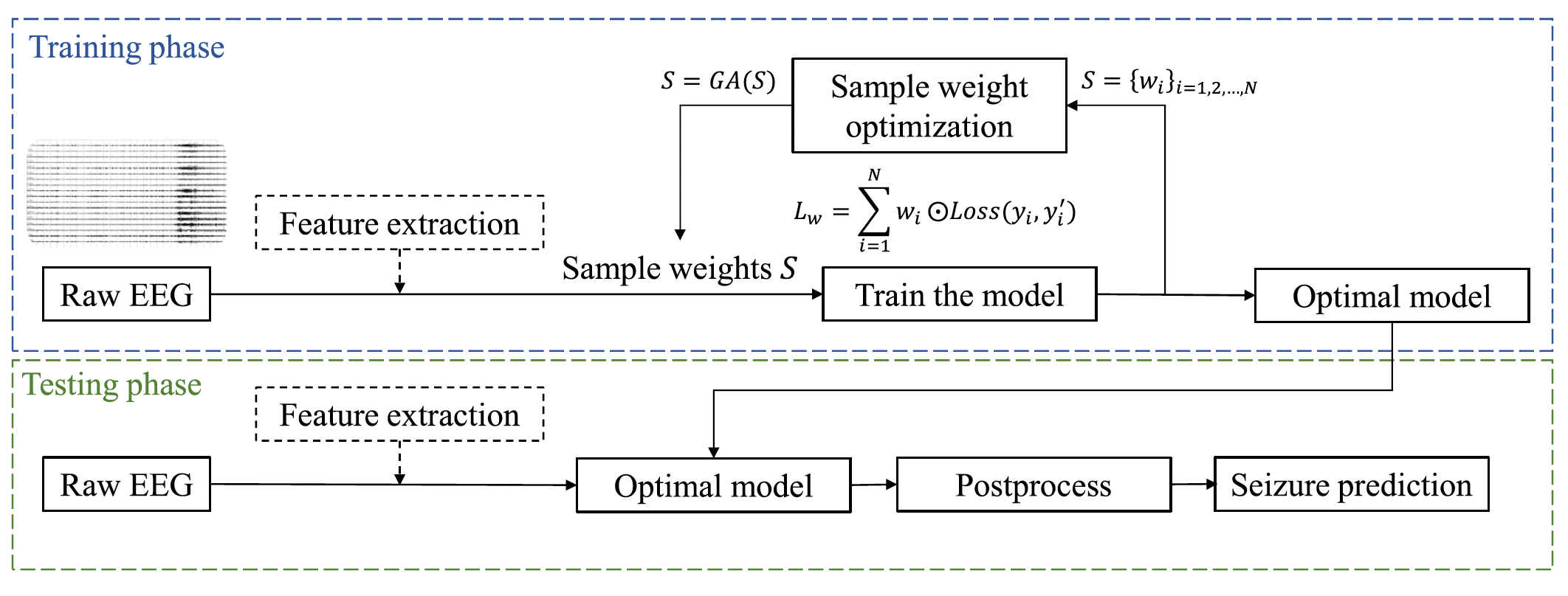 Computers in Biology and Medicine, 2022 (impact factor: 6.3)
 -
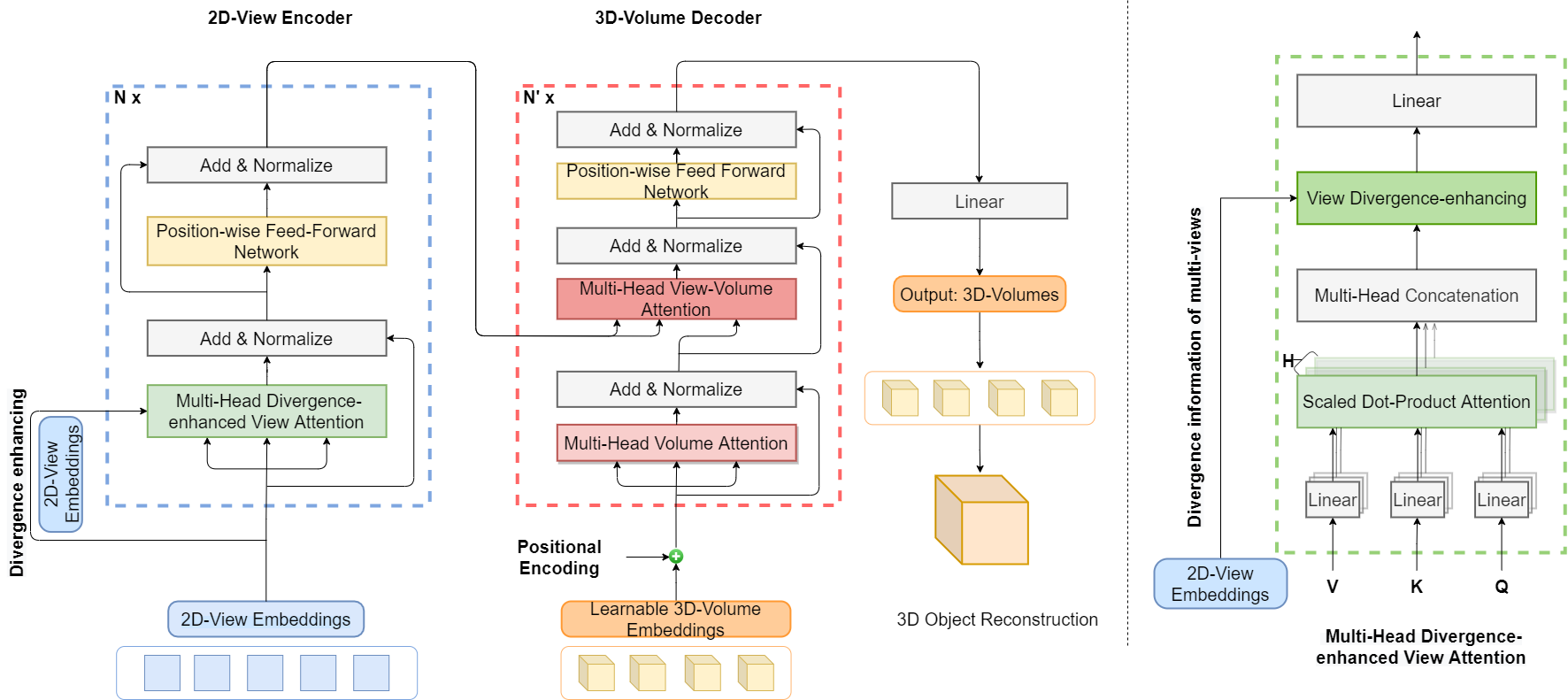 In International Conference on Computer Vision (ICCV Oral), Oct 2021 (acceptance rate: 3%)A novel Transformer-based framework for multi-view 3D reconstruction that effectively captures long-range dependencies across views, leading to improved reconstruction quality and robustness.
 -
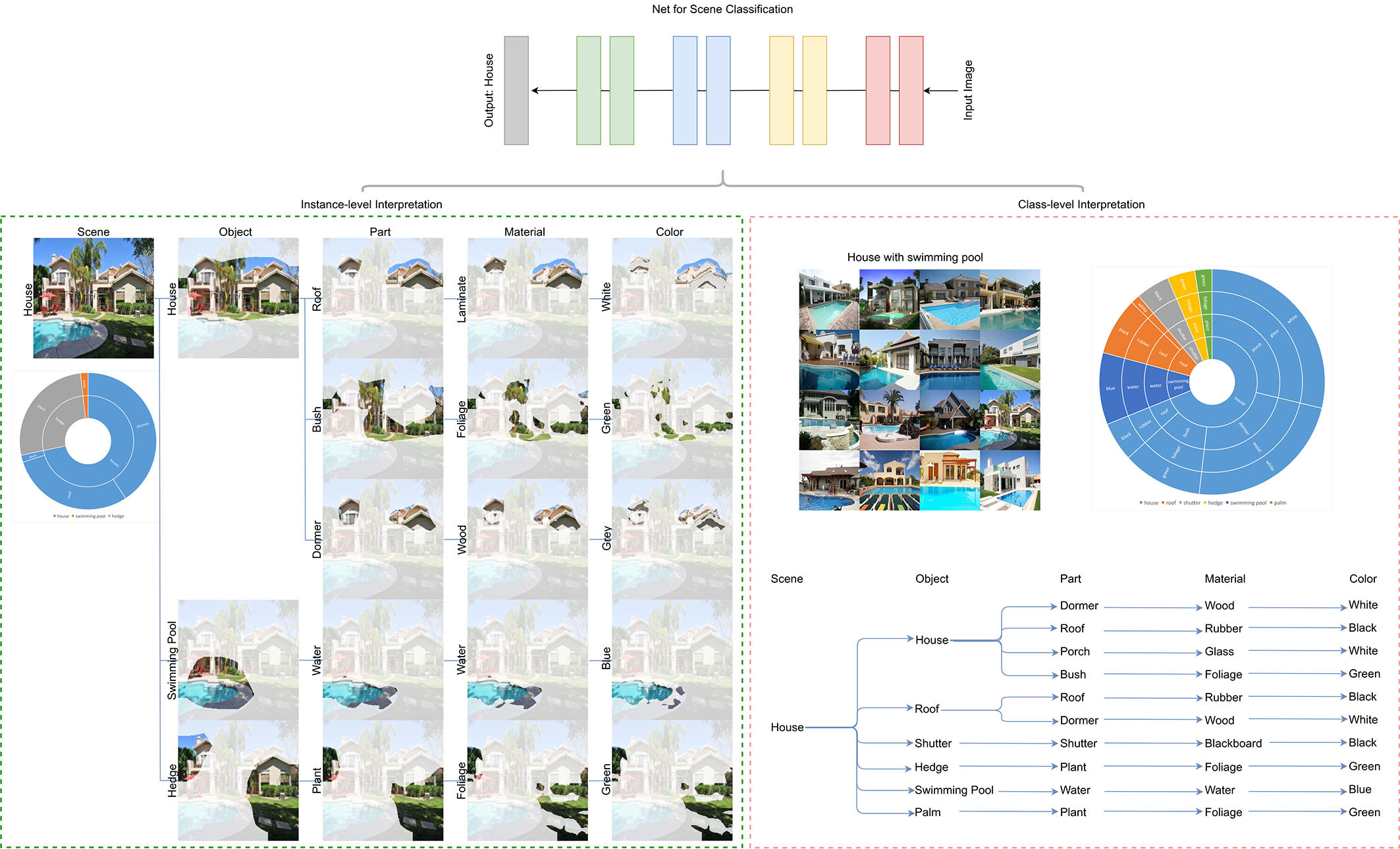 IEEE Transactions on Image Processing, 2021 (impact factor: 15.3)An interpretation scheme that explains CNN decision-making by backwardly decomposing high-level semantic concepts into a hierarchy of lower-level visual concepts across different network layers, mimicking the bottom-up hierarchical logic of human visual recognition.
 -
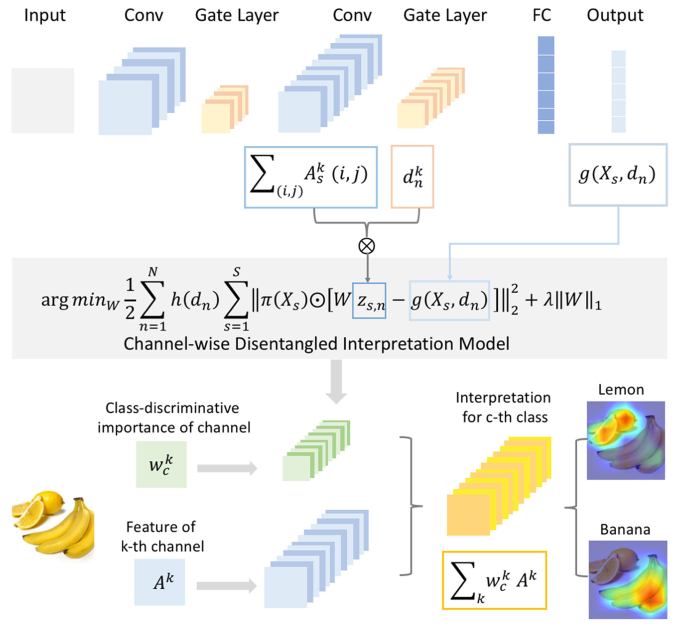 IEEE Transactions on Neural Networks and Learning Systems, 2020 (impact factor: 9.7)A channel-wise disentangled interpretation method that identifies the most influential channels in a CNN for a given prediction and disentangles their contributions to different visual concepts, providing a more detailed and interpretable explanation of the model’s decision-making process.
 -
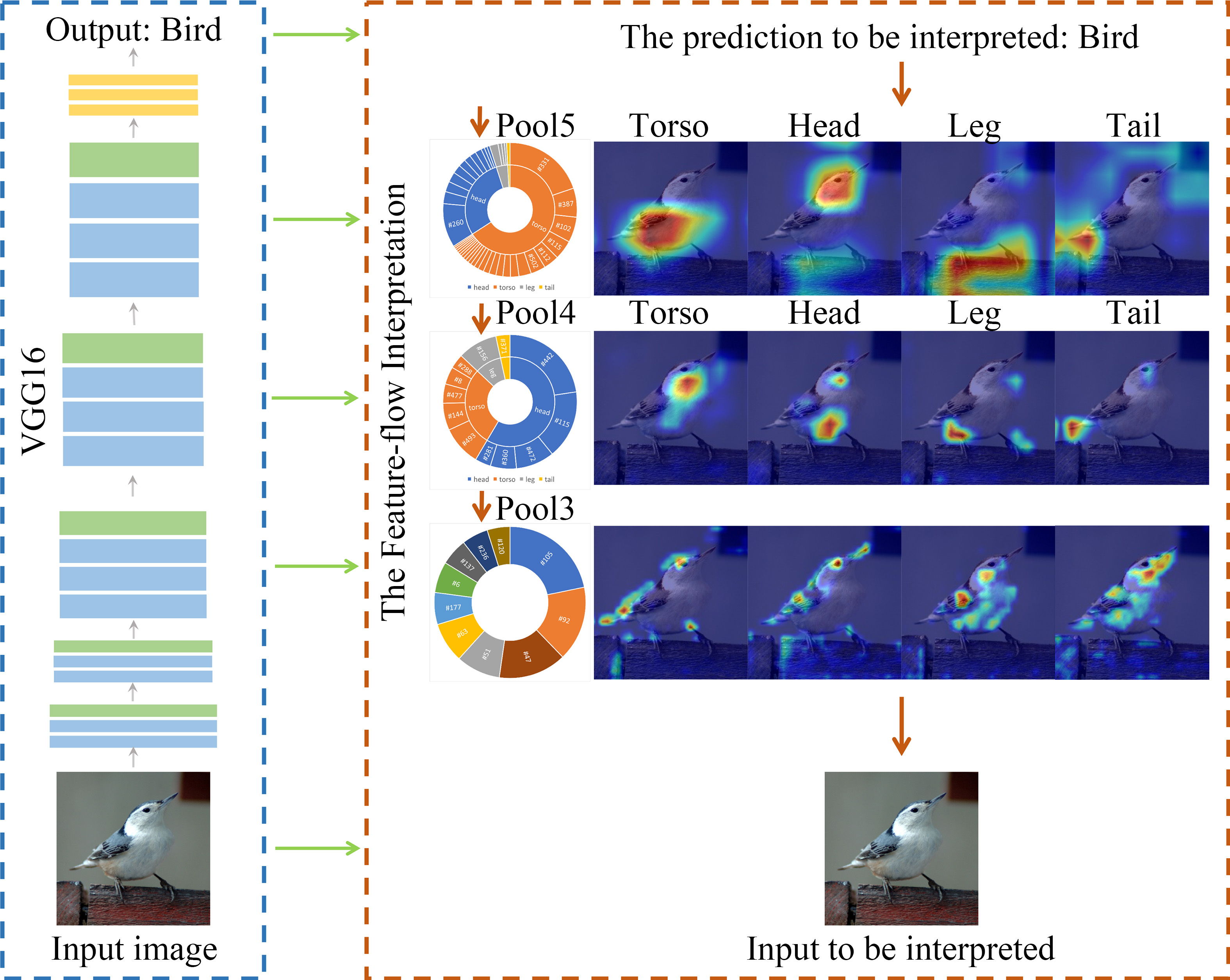 IEEE Transactions on Multimedia, 2020 (impact factor: 9.7)A feature-flow interpretation method that learns the flow of information through a CNN by tracking the activation patterns of features across layers, revealing how different features contribute to the final prediction.
 -
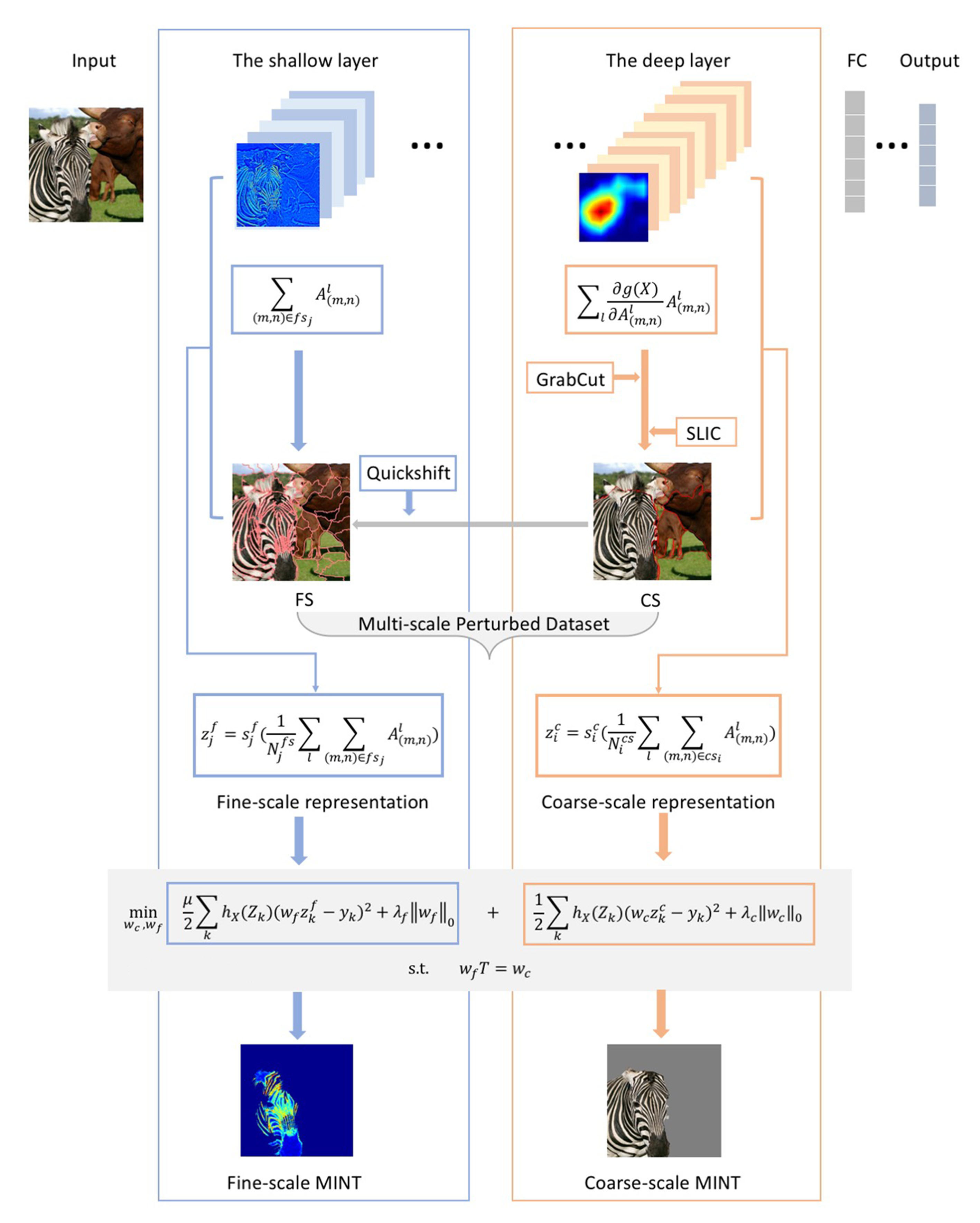 IEEE Transactions on Multimedia, 2019 (impact factor: 9.7)A multi-scale interpretation model that provides hierarchical explanations of CNN predictions by interpreting the model’s decision-making process at multiple levels of abstraction.
 -
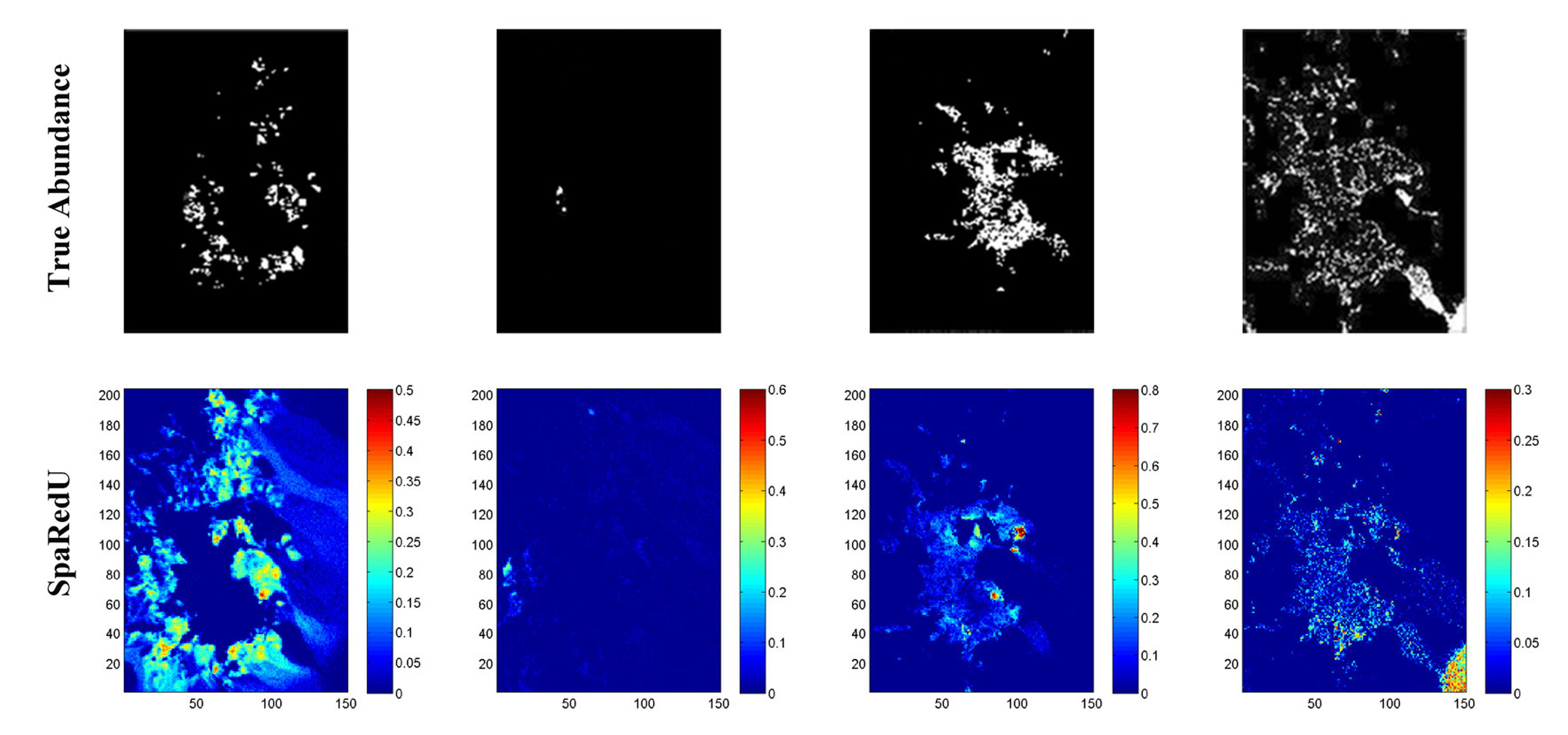 IEEE Transactions on Geoscience and Remote Sensing, 2018 (impact factor: 9.4)A robust sparse unmixing method for hyperspectral imagery that incorporates spatial information and a novel regularization term to improve the accuracy and robustness of unmixing results.
 -
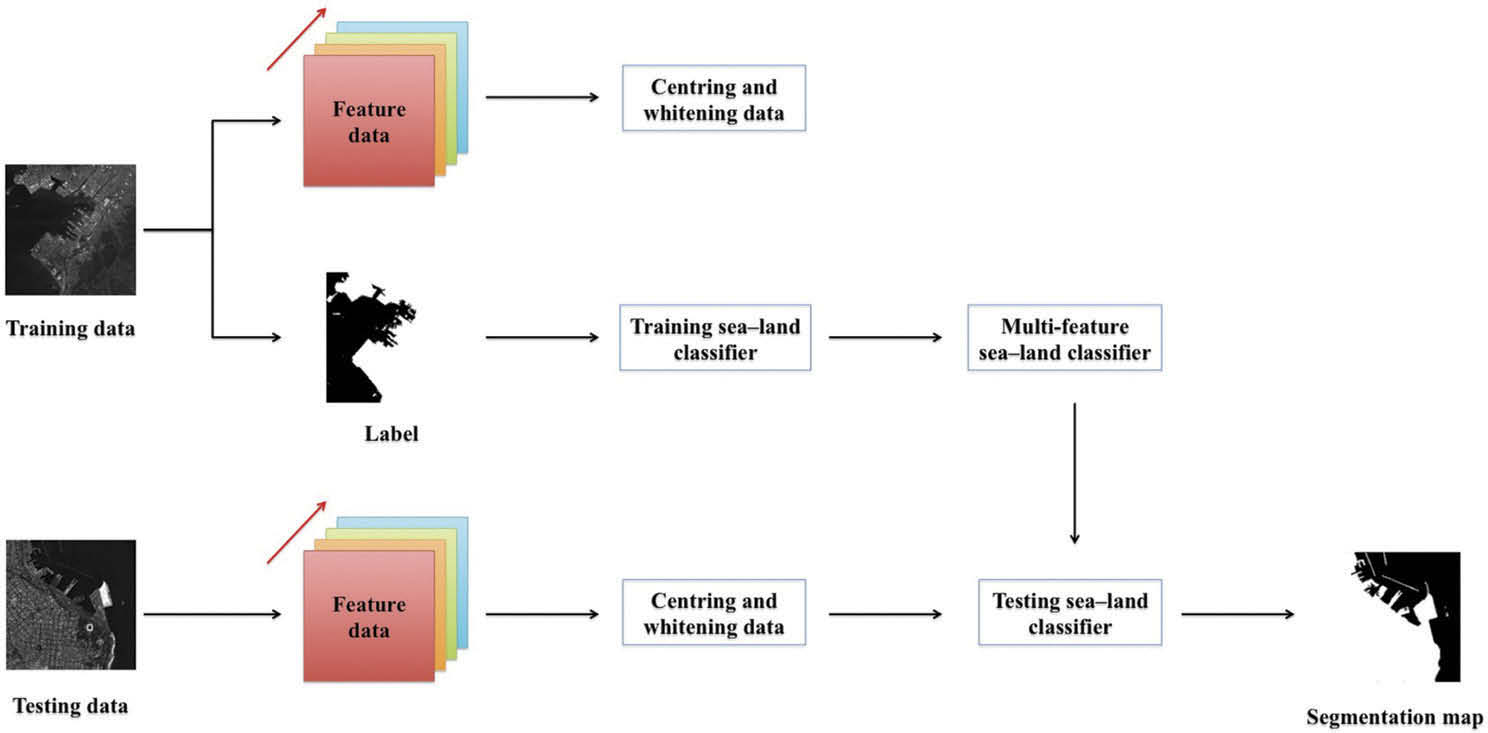 International Journal of Remote Sensing, 2017 (impact factor: 2.6)A multi-feature sea–land segmentation method that leverages pixel-wise learning to improve the accuracy and robustness of optical remote-sensing imagery analysis.
 -
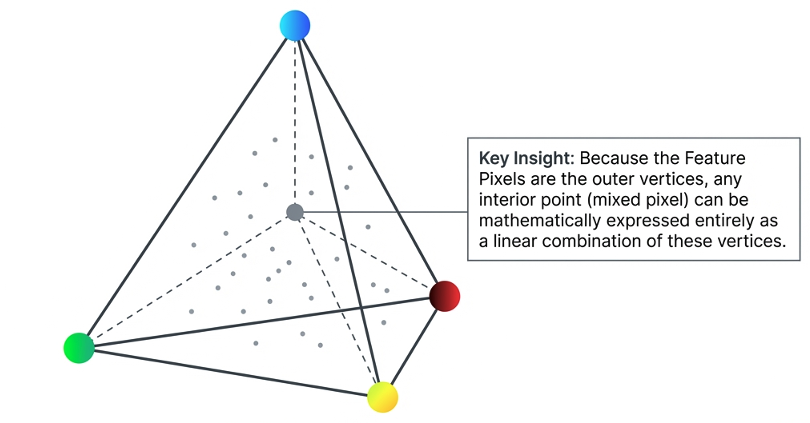 In 2017 IEEE Global Conference on Signal and Information Processing (GlobalSIP), 2017
 - Journal of Materials Chemistry A, 2015 (impact factor: 9.2)
- Nanoscale, 2015 (impact factor: 5.2)
- Ceramics International, 2014 (impact factor: 6.0)
- Materials Research Bulletin, 2014 (impact factor: 5.8)